How to Prevent Pests on Tomatoes
If you’re wondering how to prevent pests on tomatoes, the good news is that it’s a process you can plan for. Prevention beats rescue every time, and once the rhythm is in place, it takes far less effort than spraying a half-eaten plant back to health.
Per standard Integrated Pest Management (IPM) guidance from land-grant universities, prevention comes down to three moves: choose the right site, keep pests off the plant early, and check it weekly. As of 2026, that remains the most reliable path for home gardeners and small-scale growers alike. Nail those three, and you’ll know exactly where to focus your energy.
Quick Answer
To prevent pests on tomatoes, start with resistant varieties and healthy soil. Keep pests out physically with floating row covers for the first month. Inspect leaves and stems twice a week.
Remove any pests or eggs you find by hand. Rotate crops every year and clean up plant debris in fall.
Start Here: Why Prevention Beats Spraying Once Pests Arrive
Once a tomato plant is heavily infested, you’re stuck playing catch-up. You’re spraying, handpicking, and losing fruit while the plant recovers. Prevention works differently.
It interrupts the pest’s life cycle before the colony gets a foothold. That’s why extension entomologists push IPM so hard.
IPM is a decision-based system. You don’t automatically spray on a schedule. Instead, you use barriers, habitat, and observation to make your garden less inviting to pests.
You only intervene when populations cross a threshold that justifies action. For home tomatoes, that threshold is usually visible damage or a clear cluster of eggs.
The biggest win comes early. Most tomato pests overwinter in soil and garden debris or ride in on transplants from a nursery. That means your first line of defense starts weeks before you plant.
It includes site selection, soil health, and the physical barriers you put in place at transplant time.
Another reason prevention wins: it spares beneficial insects. Aphids, tomato hornworms, and whiteflies all have natural predators. Spraying broad-spectrum products kills those predators too.
When you avoid spraying early, you keep lacewings, ladybugs, and parasitic wasps around to do the work for you. That’s a compounding advantage.
A floating row cover costs a few dollars and stops cutworms, hornworm moths, and flea beetles without a single application. Compare that to losing seedlings or a third of your harvest. In our research, most home gardeners underestimate how early pests show up.
The first hornworm eggs can appear in late spring, right when fruits start setting. A prevention plan catches that before it becomes a crisis.
Match the Pest to the Damage: A Quick Field Guide
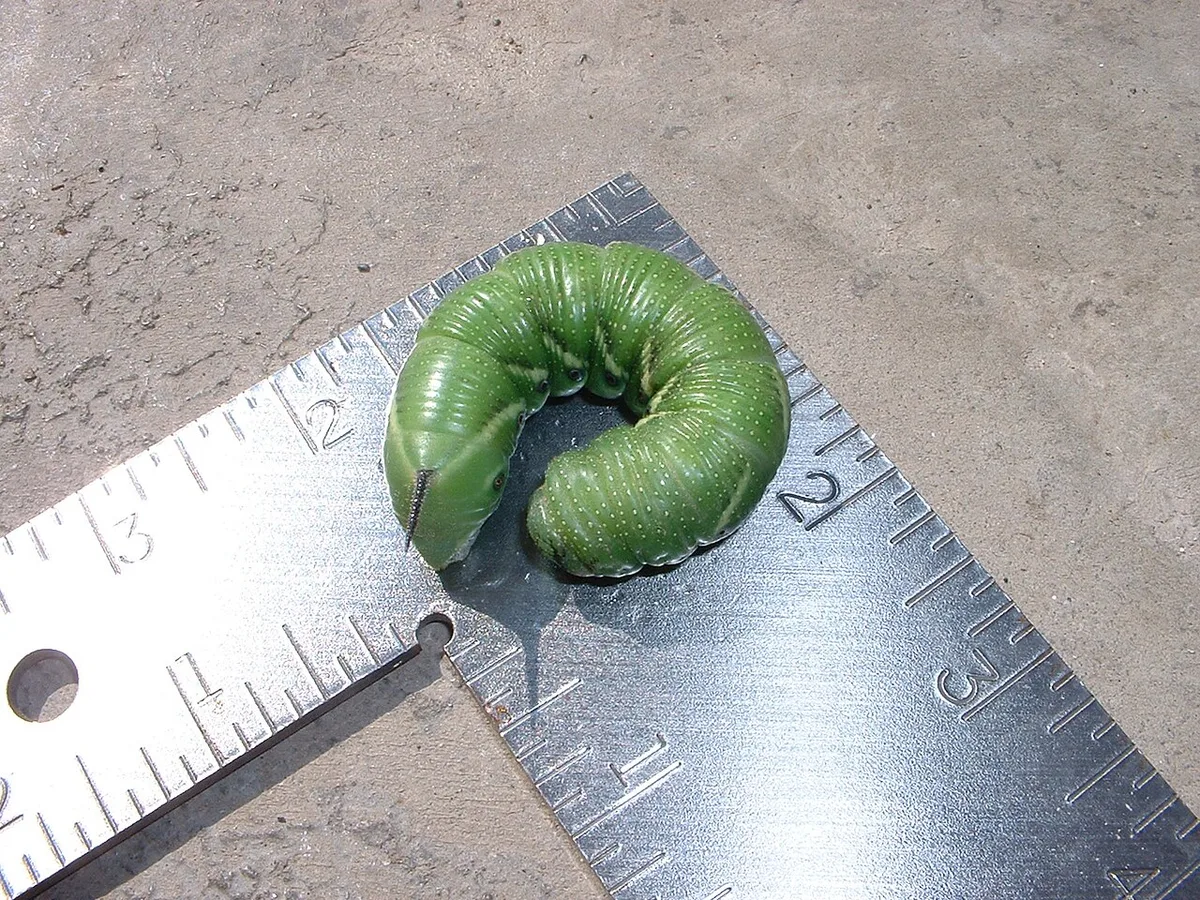
Before you can prevent a pest, you need to know what you’re dealing with. Different pests respond to very different controls. A hornworm chews leaves, so Bt works.
Aphids suck sap, so Bt does nothing. Spraying the wrong product wastes time and can kill beneficial bugs.
Here’s a quick field guide to the pests most likely to hit your tomatoes, based on the damage they cause.
Image source: Wikimedia Commons / Relic38 (EN Wikipedia user) (CC BY)
| Pest | Damage You’ll See | Where They Hide |
|---|---|---|
| Tomato hornworms | Large chewed patches, dark droppings on leaves | Top half of the plant, often right on stems |
| Aphids | Curled, sticky leaves; ants wandering the stems | Leaf undersides and new growth |
| Whiteflies | Tiny white insects that fly up when tapped; yellow spots | Undersides of leaves |
| Spider mites | Pale stippling, fine webbing on lower leaves | Undersides, especially in hot, dry spots |
| Cutworms | Seedlings severed at soil level overnight | Just under the soil surface |
| Flea beetles | Small shotgun-shell holes in young leaves | Leaves, and they jump when disturbed |
| Stink bugs | Sunken white or yellow spots on ripe fruit | Between fruit and leaves |
If you’re not sure what’s causing the damage, check early morning or evening. That’s when hornworms and cutworms are most active. A quick photo can also help.
But for prevention, the key is knowing what’s in your garden before populations explode.
The Decision Tree: What Your Growing Setup Tells You About Pest Prevention
Your prevention plan should change with your growing situation. If you’re growing in containers on a balcony, you face different pests than someone with a raised bed in a humid backyard. So let’s run the decision tree.
First question: Are you growing outdoors or in a greenhouse?
- Outdoors: Focus on row covers, crop rotation, and mulching.
- Greenhouse: Focus on airflow, sticky traps, and checking new transplants.
Next: Do you grow in the ground or in containers?
- In-ground: Rotate beds every year. Cutworms and soil-dwelling pests are your main risk.
- Containers: Refresh potting mix each season. Watch for spider mites and aphids, especially on a hot patio.
Then: What’s your local pressure?
- Hot and humid: Whiteflies and hornworms rule. Start weekly scouting early.
- Cool and dry: Flea beetles and cutworms are more likely. Use barriers at transplant.
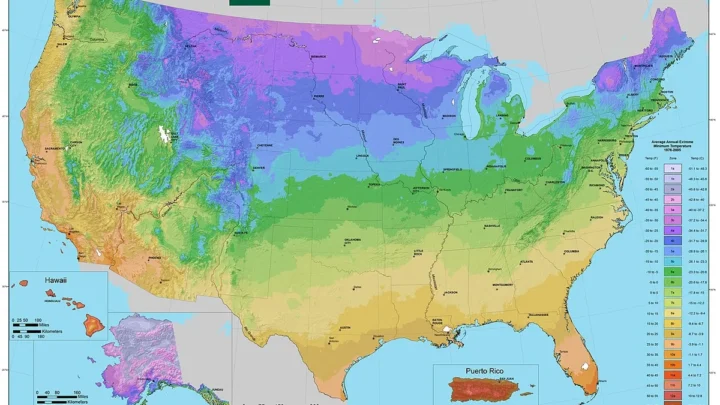
Image source: Wikimedia Commons / Dawg612
This is exactly where generic advice falls short. A blanket “spray neem oil every week” doesn’t work for everyone. If you’re growing in a greenhouse, neem oil at the wrong humidity can burn foliage.
If you’re in a cool coastal zone, you may never see a hornworm.
The U.S. Department of Agriculture and university extension services like the University of Minnesota Extension recommend building a plan around your site and your history. That’s the real prevention step: match the tactic to the problem before you need it.
The Weekly Prevention Workflow: Scouting, Barriers, and Early Action
A reliable tomato pest prevention plan runs on a weekly rhythm. It takes about ten minutes per plant if you’re consistent. Here’s the workflow that works across different gardens.
Step 1: Inspect the undersides of leaves first
Use your hand to lift lower leaves. Aphids and whitefly eggs cluster there before you ever see damage. Look for small groups, sticky residue, or tiny yellow-white dots.
Step 2: Check the growing tip and new shoots
Hornworm moths lay eggs near the top. Cut off any eggs you find. If you see hornworms, pick them off and drop them in soapy water.
Step 3: Look at the soil line
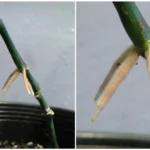
Cutworm damage usually appears overnight. Check for chew marks on stems near the base. A cardboard collar around each transplant prevents cutworms before this step ever matters.
Step 4: Inspect fruit and flower clusters
Stink bugs leave pale, sunken spots on green fruit. Remove any damaged fruit so it doesn’t draw more pests.
Step 5: Apply barriers only when needed
Floating row covers should go on right after transplanting, not when pests arrive. Remove them at flowering so bees can pollinate. If you’re using organic sprays like insecticidal soap or Bt, apply them only when your scouting shows a problem.
Spot-treating beats coating the whole plant.
The key is consistency. Miss two weeks in mid-summer and a small hornworm population can strip a plant. Your schedule doesn’t need to be complicated.
It just needs to happen.
Mistake-Proof Your Setup: Common Prevention Failures and Fixes
Most persistent pest problems aren’t because you missed a spray. They’re because something in the setup invites the pest back. Here are the common ones and how to fix them.
Mistake: Skipping crop rotation
Tomatoes planted in the same bed year after year build up soil-borne pests. Fix: rotate tomatoes to a different bed at least every two years. If you only have one bed, grow tomatoes in fresh containers or replace the top few inches of soil.
Mistake: Over-fertilizing with nitrogen
Lush, leafy growth is an aphid magnet. Fix: slow down. Use a balanced fertilizer at planting, then switch to a lower-nitrogen feed once flowers form.
Mistake: Leaving the greenhouse open without screens
Whiteflies and moths fly straight in. Fix: keep vents screened and inspect new plants before they enter.
Mistake: Waiting too long to act
One hornworm can eat a lot. A cluster of aphids can double in days. Fix: act at the first sign of eggs or a sticky leaf.
Waiting a week means you’re managing an infestation, not preventing one.
FAQ: Tomato Pest Prevention Questions
How often should I check my tomato plants for pests?
Twice a week is the reliable minimum. Once you hit midsummer, bump that to every other day. Check leaf undersides, the growing tip, and the soil line around the stem.
A quick five-minute scan catches eggs before they hatch.
Should I use neem oil as a regular preventive spray?
No. Neem oil is a treatment, not a shield. Regular spraying can burn foliage and kill beneficial insects.
Use it only when you see active pests like aphids or whiteflies. Spot-treat the affected areas instead of coating the whole plant.
Will companion planting keep pests off my tomatoes?
Basil, marigolds, and garlic can help, but they aren’t guaranteed. Companion planting is one layer in a larger prevention plan. It won’t stop hornworms or cutworms by itself.
Treat it as a bonus, not a replacement for barriers.
When should I remove row covers from my tomato plants?
Remove them when flowers begin to form. Tomatoes rely on bees for pollination. If the cover stays on through bloom, you’ll get poor fruit set.
In most climates, that happens four to six weeks after transplanting.
Do I need to treat the soil before planting tomatoes?
Yes, and it starts with crop rotation. Moving tomatoes to a new bed every two years reduces soil-borne pests. Adding compost and avoiding excess nitrogen keeps plants healthy.
Healthy plants resist pests far better than stressed ones.
Your Season-Long Prevention Plan: From Transplant to Last Harvest
Pre-planting, four to six weeks before your last frost
Pick a new bed if you’ve grown tomatoes in the same spot recently. Amend the soil with compost. If cutworms have been a problem, get cardboard collars ready before transplant day.
Transplant to flowering, weeks one through four
Set up stakes or cages at planting time. Lay down collars and mulch immediately. Install floating row covers right after transplanting.
Start your twice weekly scouting on day one.
Flowering through fruiting, weeks five through ten
Pull row covers at first blossoms so bees can do their work. Keep handpicking hornworms and egg masses. Spot-treat with Bt or insecticidal soap only when damage shows up.
Watch the fruit for stink bug spots as it ripens.
Harvest season, weeks ten through sixteen
Prune lower leaves for airflow. Remove fallen fruit straight away. A rotting tomato draws a whole new crowd.
Check ripening clusters weekly for stink bugs and fruitworms.
Season wrap-up
Pull plants after the last harvest. Clear every stem and leaf from the bed. Skip composting tomato foliage if you saw heavy pest pressure.
Then rotate next year’s planting spot. That one move does more for prevention than any spray ever will.

Similar Posts