How to Grow Tomatoes in Containers
Determinate varieties grow like bushes, reach a fixed height, and ripen most of their fruit in a two to three week window. They're the right call for 5-gallon pots and short growing seasons. Indeterminate varieties keep climbing and producing until frost.
That means steady harvests, but a much bigger appetite for root space. Plan on a 10 to 15 gallon container for those.
If your only option is a small balcony or a windowsill, dwarf and micro-dwarf tomatoes stay under a few feet tall and still deliver real flavor. They thrive in as little as 3 gallons.
| Variety Type | Growth Habit | Container Size | Best For |
|---|---|---|---|
| Determinate | Bush, fixed height | 5-7 gallons | Patios, batch harvests |
| Indeterminate | Vining, keeps climbing | 10-15 gallons | Long seasons, steady supply |
| Dwarf / micro-dwarf | Very compact | 3-5 gallons | Small spaces, beginners |
Cherry and grape tomatoes are the most forgiving option in containers. They handle crowding, bounce back from missed waterings, and ripen fruit quickly. Beefsteak types need larger pots and stricter watering discipline.
Roma varieties sit in the middle, with moderate vigor and dependable yields when given enough root room.
The days-to-maturity label matters more than people think. In northern climates, a 75-day variety might not ripen before frost. Southern growers can push long-season beefsteaks easily.
Match that number to your local growing window before you commit.
Match Your Pot, Soil, and Support to Your Plant Type
Container size drives everything else. A 5-gallon pot works for determinate and dwarf types, but bigger is nearly always better. An indeterminate tomato in a 10 to 15 gallon container develops a root system that supports heavier fruit and tolerates more watering mistakes.
Smaller pots dry out faster, heat up quicker, and magnify any lapse in your routine.
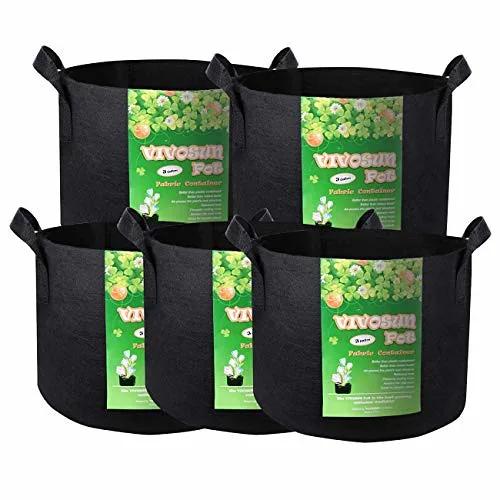
Image source: Openverse / shop8447
Fabric grow bags are the budget-friendly standard for container growing. They promote air-pruning, which keeps roots from circling and encourages a dense, healthy mass. Plastic pots hold moisture longer but can overheat in summer sun.
Self-watering planters with an internal reservoir cut watering frequency to every two or three days, which helps on hot weeks.
Use a potting mix, not garden soil. Garden soil compacts in containers and suffocates roots. A quality potting mix with perlite, coco coir, or peat moss provides the drainage and aeration roots need.
Avoid mixes labeled "moisture control" if you tend to overwater, and skip anything that feels heavy in the bag. University extension programs like the University of Minnesota Extension all publish container gardening guidance that starts with the same advice: pick a mix designed for pots.
Set up support at planting time. Pushing a stake or cage into the mix later can slice through roots and stress the plant. A 6-foot stake for indeterminate types, a 4-foot cage for determinate types, or a sturdy trellis along a wall all work.
Manufacturer specs on cage height matter. Flimsy, short cages tip over once the plant is loaded with fruit.
Step-by-Step: Planting Container Tomatoes the Right Way
Plant at the right moment. Tomatoes are warm-season crops, and transplanting too early is the classic container mistake. Wait until nighttime temperatures stay above 50°F and soil temperature reaches at least 60°F.
Check your local last frost date and add two weeks to be safe.
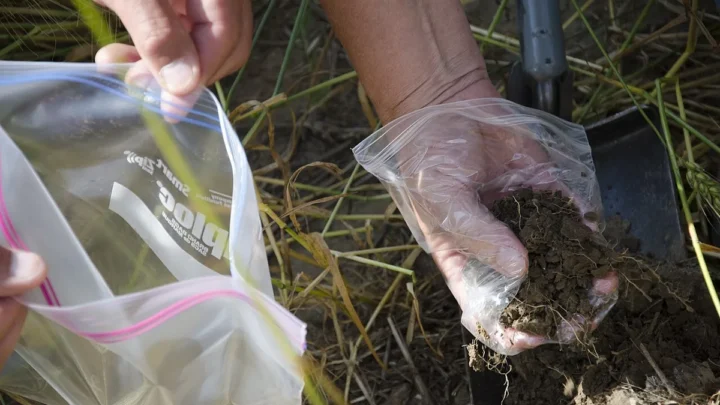
Step 1: Pre-moisten the potting mix. Pour the mix into a large tub, add water, and stir until it's uniformly damp. It should feel like a wrung-out sponge.
Packed dry mix resists water and leaves bone-dry pockets around roots.
Step 2: Mix in slow-release fertilizer. Follow the label rate for a 5-5-5 or 10-10-10 product, and work it evenly through the top half of the mix. The granules feed the plant for six to eight weeks, covering most of the early season.
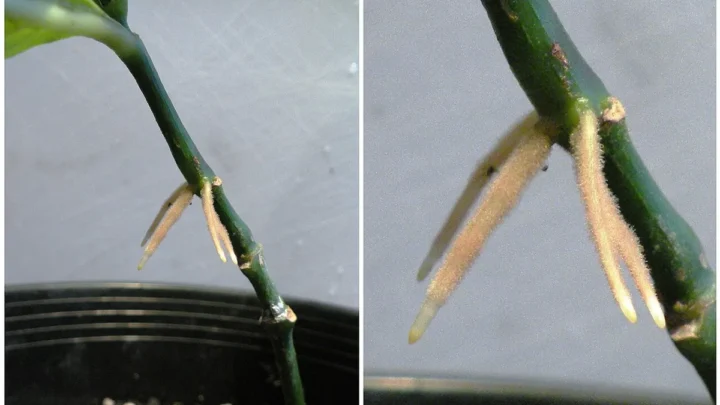
Step 3: Plant deep. Remove the lower leaves from the transplant, leaving the top two or three sets. Place the root ball in the pot and bury the stem up to those remaining leaves.
Buried stem nodes become fresh roots, and that extra root mass buys you a buffer against uneven watering.
Step 4: Set up your support now. Place the stake or cage before the plant is in its final spot to avoid root damage later. Secure the stem loosely with soft plant ties.
Step 5: Space containers at least 24 to 36 inches apart. Dense placement blocks airflow and encourages fungal diseases like early blight in humid climates.
Watering and Feeding Decisions Through the Season
Check soil daily. Push a finger an inch into the mix. Dry means water; damp means wait.
Potted tomatoes drink more than you think, often a gallon a day in mid-summer heat. Fabric grow bags dry out faster than plastic, so plan to check twice a day when temperatures climb past 85°F.
Overwatering is just as common. Yellowing lower leaves, a sour smell, and consistently soggy soil signal root issues. Underwatered plants wilt visibly by midday, and chronic stress leads to blossom drop.
Consistency matters more than a schedule written on a calendar. In our research, gardeners who water by touch rather than routine get more fruit and fewer defects.
Switch to a fruiting-stage fertilizer when the first flowers appear. Look for a low nitrogen blend with higher phosphorus and potassium, like a 5-10-10 or 10-15-10. High nitrogen pushes leaves and stems, not fruit.
Side-dressing is simple. Scratch a small amount of fertilizer into the top inch of soil around the plant's base every three to four weeks after fruit sets. Water it in well.
Hot weather brings its own problems. Blossom drop happens when daytime temperatures exceed 85°F or nighttime temperatures cross 75°F. Sunscald leaves pale, leathery patches on fruit that was suddenly exposed.
Cracking follows heavy watering after a dry spell. A 2-inch layer of mulch over the soil surface evens out moisture swings and keeps roots cooler.
Common Mistakes and Troubleshooting in One Place
The number one cause of weak, stunted container tomatoes is a pot that's too small. Roots hit the walls, circle, and strangle themselves. The plant looks fine at first, then stalls just as flowers should form.
If you prefer growing to rescuing, start with the biggest container your space allows.
Blossom end rot is not a disease. It's a calcium transport problem. Inconsistent watering prevents roots from moving calcium to developing fruit.
The fix is steady moisture, not adding limestone to the soil. Affected fruit won't recover, so pick it off and even out your watering.
Over-fertilizing produces tall, leggy plants without flowers. Too much nitrogen pushes green growth at the expense of fruit. Thick, lush stems with no blooms are the classic sign.
Flush the pot with plain water and stop feeding for a few weeks.
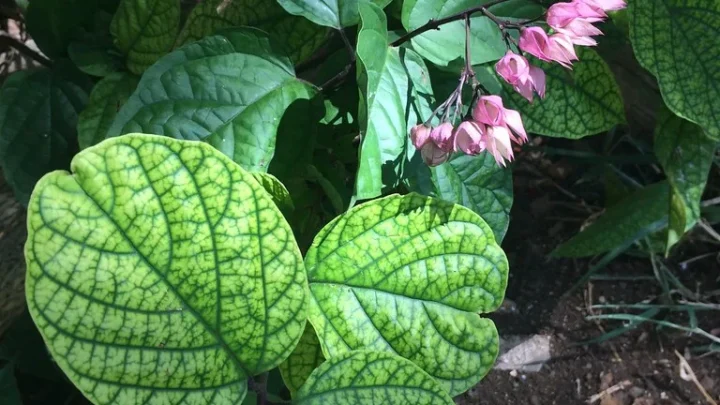
Yellowing leaves at the bottom are normal. When yellowing climbs upward, suspect watering stress or a nutrient deficit. Curled, cupped leaves point to heat, while spotted leaves with yellow halos suggest early blight or septoria.
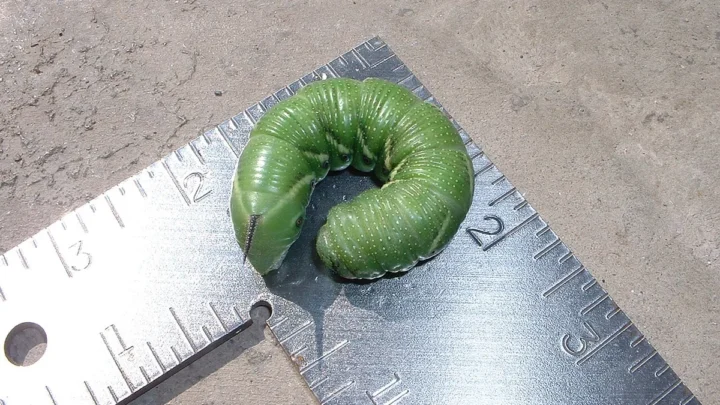
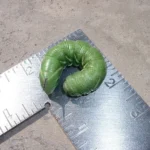
Pests in containers are less common, but they show up. Check the undersides of leaves weekly. Aphids cluster on new growth, hornworms strip entire branches overnight, and spider mites leave fine webbing.
A strong spray of water knocks most of them off, and hand removal works for hornworms.
Root rot is the silent killer. Soggy mix and poorly draining pots invite root rot fungi. If the plant wilts even when the soil is wet, slide it out of the container and inspect.
Brown, mushy roots mean rot. Start over with fresh mix and a clean pot.
Your Container Tomato Decision Guide (Quick Workflow)
Here's your three-step checklist before you commit a plant to a pot.
Step 1: Match your variety to your space. Growing on a balcony with full afternoon sun? Go cherry or dwarf determinate. Have a big patio and a long season?
An indeterminate beefsteak in a 15-gallon fabric pot will reward you. Short on sun? Stick with cherry types, which tolerate partial shade better than large-fruited varieties.
Step 2: Confirm your pot size and drainage. Feel the bottom of the container. If there's no drainage hole, drill one. A 5-gallon bucket works for determinate plants, but only if you add at least four holes.
For indeterminate types, skip anything under 10 gallons entirely.
Step 3: Check your daily commitment. Potted tomatoes need a minute or two of daily attention once temperatures climb. If you travel for work, set up a self-watering planter or ask a neighbor to help. Fabric bags in full sun may need water twice daily.
Do this quick check every morning. Push a finger into the soil. Look for new pests on leaf undersides.
Confirm the support hasn't shifted. Catch problems early and you'll avoid most emergencies.
Harvest fruit when it's fully colored but still firm. Leave slightly green shoulders on the vine for a day or two. In our research, picking early encourages the plant to keep producing.
At the first sign of frost, pull any viable green fruit and ripen them indoors on a sunny windowsill.
Frequently Asked Questions
How many tomato plants can I put in one container?
One plant per container, full stop. Tomatoes compete aggressively for water, nutrients, and root space even in large pots. A single indeterminate plant in a 15-gallon container will out-produce two plants crammed into the same pot.
Crowded plants also restrict airflow, raising the risk of fungal disease.
Can I grow tomatoes in a 3-gallon bucket?
Yes, but only dwarf or determinate varieties and only with drainage holes. A 3-gallon bucket will need daily watering in summer and frequent feeding. Choose a compact cherry variety and you can still harvest a satisfying crop.
Expect smaller overall yield than a 5-gallon pot.
Do I need to prune container tomatoes?
Prune indeterminate types lightly to keep them manageable. Remove suckers that grow in the joint between the main stem and branches. Focus energy on two or three main stems.
Determinate types need no pruning at all. They stop growing naturally and produce fruit all at once.
Why are my tomato flowers falling off?
Blossom drop usually comes from temperature stress. Daytime highs above 85°F or nighttime lows above 75°F cause flowers to fail before pollination. Inconsistent watering is the second most common cause.
Keep soil evenly moist and consider shade cloth during heat waves.
How long do container tomatoes produce fruit?
Determinate types produce for about two to three weeks. Indeterminate types keep producing until frost or until temperatures consistently stay above 95°F. In mild coastal climates, a single indeterminate plant can yield for months.
Dwarf varieties typically produce a focused harvest over four to six weeks.

Similar Posts