How to Harvest Tomatoes

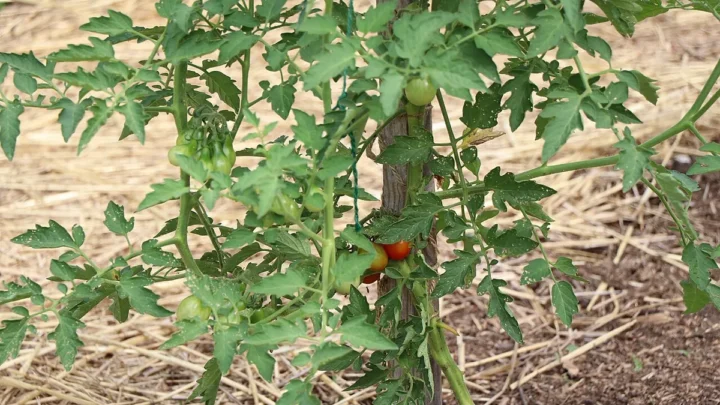
Here’s the short version: harvest tomatoes when they’re fully colored but still firm, unless you’re storing them or beating a frost. If you want the best flavor for fresh eating, let the fruit stay on the vine until it reaches its final variety-specific color, whether that’s red, yellow, orange, pink, or even purple-black. If you’re canning or giving tomatoes away, pick them a little earlier at the breaker stage, when color first starts showing on the blossom end.
Then, if a frost is coming, harvest every mature green tomato immediately and let it ripen indoors.
That decision tree handles most situations. For big beefsteaks, give them an extra day or two on the vine if they look like they have good color but still feel hard. For cherry tomatoes, pick them when they’ll come off the stem with a gentle tug.
That’s a pretty reliable signal that they’re fully ripe.
The key is to check your plants every two to three days once the first fruit starts showing color. That’s when harvest becomes a routine, not a guessing game.
Before You Pick: Know Your Variety, Your Use, and Your Weather
Before you start picking, ask yourself three questions: What variety am I growing? How will I use these tomatoes? And what’s the weather doing this week?
The answers change your harvest timing.
Variety matters because not all tomatoes ripen to the same color. Many heirlooms stay green, yellow, or striped when they’re perfectly ready. If you’re growing a variety you don’t know, check the seed packet or a reliable catalog description for its mature color.
That’s your visual benchmark.
Use matters just as much. If you’re eating fresh, wait for full vine ripening. If you’re canning, pick at the breaker stage and let the fruit finish ripening on the counter.
That’s a common trick among home canners because partially ripe tomatoes hold their shape better in sauces and salsas.
Weather is the third variable. Heavy rain can split ripe tomatoes within hours. If rain is forecast and your fruit is at full color, pick it before the storm arrives.
And if frost is predicted, harvest all mature green fruit right away. Even one or two nights below 32°F will ruin exposed fruit.
For this, you’ll want clean pruners or snippers and a shallow container. Using your hands to twist tomatoes off the vine can damage the plant, especially on indeterminate varieties.
Ripeness Indicators That Actually Work: Color, Feel, and the Breaker Stage
Tomato ripeness isn’t a single moment. It’s a progression, and each stage has a use.
The first stage worth knowing is mature green. At this point the fruit is full-sized and glossy, and the seed cavities are developed inside. If you cut it open, the gel is starting to form.
These are the tomatoes you fry or ripen indoors.
Next is the breaker stage. You’ll notice a pale yellow or pink blush appearing on the blossom end of the fruit. This is the moment commercial growers pick tomatoes, because the fruit will continue ripening off the vine.
You can store these for up to two weeks in a cool room.
The blush stage follows, where 30 to 60 percent of the surface shows color. These are perfect for canning or sauce making.
Finally, you have full color. The fruit has taken on its mature variety hue, and the skin often shifts from shiny to slightly dull. When you squeeze gently, it gives just a little without feeling mushy.
Does it smell like a tomato? Sniff the stem end. That tomato aroma is a strong signal of full ripeness.
If you’re not sure whether a fruit is ready, rely on the feel test rather than the color test. A mature green tomato will feel rock hard even if it’s turning color. A fully ripe one will feel slightly springy under light pressure.
Here’s a quick reference table for the stages:
| Stage | Visual cue | Best use |
|---|---|---|
| Mature green | Full size, glossy, no color | Frying, indoor ripening |
| Breaker | Blush of color on blossom end | Long storage, shipping |
| Blush | 30 to 60 percent color | Canning, sauces |
| Full color | Uniform mature color, slight dullness | Fresh eating |
The Step-by-Step Harvest Process: Cutting, Collecting, and Keeping the Plant Safe
Once you’ve confirmed a tomato is ready, the actual picking takes less than a minute. Do it right, and you’ll protect both the fruit and the plant.
Choose the right time. Early morning is ideal, after the dew has dried but before the heat of the day. Tomatoes picked then are the firmest and least likely to bruise.
Hold the branch with one hand. With the other, cut the stem with clean pruners. Leave about a quarter inch above the calyx, the green cap at the top of the fruit.
Cutting, rather than twisting, avoids tearing the main vine and reduces the chance of introducing disease.
Place each tomato into a shallow container, not a deep bucket. Piling fruit more than two layers deep causes pressure bruises on the bottom fruit. Those show up as dark spots a few days later.
Sort as you go. Put perfect ripe fruit in one tray, cracked or overripe fruit in another, and mature green fruit in a third. This saves time later in the kitchen and keeps damaged tomatoes from touching clean ones.
Once you finish, wipe your pruners with rubbing alcohol or a diluted bleach solution if you’ve been cutting through any diseased foliage. This is especially important if you have tomato blight or other fungal issues in your garden.
After the Picking: Ripening, Storing, and Using Your Tomatoes at Every Stage
What you do after harvesting matters as much as when you picked. A tomato that looks perfect can still turn mealy if you store it wrong.
Never refrigerate ripe tomatoes that you plan to eat fresh. Cold temperatures below about 50°F damage the texture and mute the flavor. Instead, keep them on the counter, out of direct sunlight, and use them within a few days.
For tomatoes picked at the breaker or blush stage, you can finish the ripening process indoors. Place the fruit stem-side down in a single layer on a countertop or windowsill. For faster ripening, put a few tomatoes in a loosely closed paper bag with a banana or apple.
The fruit releases ethylene gas, which speeds the process naturally. As of 2026, the University of Minnesota Extension reports that breaker-stage tomatoes typically reach full color in five to fourteen days under normal room conditions.
Mature green tomatoes are a different story. If you’re not frying them, you can still ripen them, but they need cool conditions around 65 to 70°F. Check them every couple of days and pull out any that start to rot.
They often take two to four weeks to turn.
Cracked or soft tomatoes won’t store for long, but they’re perfect for immediate cooking. Use them in sauces, salsas, or soups the same day you harvest. That way, nothing goes to waste.
Common Harvest Mistakes That Kill Flavor or Yield
A few simple missteps can undo all your hard work. Here’s what to avoid.
Refrigerating ripe tomatoes. Cold air makes the texture mealy and mutes the flavor. Keep ripe fruit on the counter and use it within a few days.
Picking at the wrong time. Harvesting too early leaves fruit hard and sour. Waiting too long invites fruit flies and fermentation. Check plants every two to three days once color starts.
Piling fruit in a deep bucket. The weight of the upper layers bruises the bottom fruit. Those bruises turn into soft, rotten spots. Use a shallow tray and stack no more than two layers deep.
Twisting the stem off the vine. Twisting pulls and tears the main plant stem. That gives diseases an easy entry point. Cut the fruit off cleanly with sharp pruners.
Ignoring cracked fruit. Cracks open the door to rot and pests. Harvest cracked tomatoes immediately and use them the same day.
| Mistake | Why it hurts | Fix |
|---|---|---|
| Refrigerating ripe fruit | Ruins texture and flavor | Store at room temp |
| Deep bucket | Bruises bottom fruit | Use a shallow tray |
| Twisting stems | Tears plant tissue | Cut with pruners |
| Waiting too long | Attracts pests, ferments | Harvest every 2-3 days |
Tomato Harvest FAQs
Can I pick tomatoes before they're fully ripe?
Yes. Harvesting at the breaker or blush stage is a standard trick for extending shelf life. The fruit will finish ripening indoors without losing much flavor.
What is the best time of day to harvest tomatoes?
Early morning is best. The fruit is cool, firm, and fully hydrated after the night. Afternoon heat softens them and makes bruising far more likely.
Why are my tomatoes splitting on the vine?
Splits happen when heavy rain follows hot, dry weather. The roots pump water in faster than the skin can expand. Pick fruits at the first sign of cracking and use them right away.
How long do ripe tomatoes last after picking?
Fully ripe tomatoes last two to four days at room temperature. Breaker-stage fruit can keep for one to two weeks in a cool, dry spot.
Can I ripen green tomatoes indoors?
Yes. Place mature green tomatoes in a paper bag with a ripening banana. The banana's ethylene gas speeds things up.
Check every few days and separate any that start to rot.
The Final Decision Guide: A Simple Harvest Checklist
Use this quick reference to make the call every time you step into the garden.
- Fully colored and slightly springy. Pick it and plan to eat it within a few days.
- Blush of color, but still firm. Pick for canning or countertop ripening.
- Mature green and frost is coming. Pick everything and fry it or finish indoors.
- Cracked but otherwise ripe. Pick immediately and use in sauce the same day.
- Smells fragrant at the stem end. Trust your nose. That is peak flavor.
- Still glossy and rock hard. Leave it on the vine for another few days.

Similar Posts