How to Grow Tomatoes
If you've ever watched a healthy green tomato plant refuse to produce a single ripe fruit, you know the frustration. How to grow tomatoes isn't a mystery once you match the right variety to your space, your climate, and your season. Most failures trace back to one of three things: poor variety choice, inconsistent watering, or planting too late.
Sorting out those three questions early is the difference between a full harvest and a leafy green bush.
Our research consistently shows that tomatoes need at least 6 to 8 hours of direct sun, soil pH between 6.0 and 6.8, and steady moisture of about 1 to 1.5 inches per week. Skip any one of those, and your plants will struggle no matter how much attention you give them. So let's walk through the practical decisions in order, starting with the most important one: which tomato grower are you?
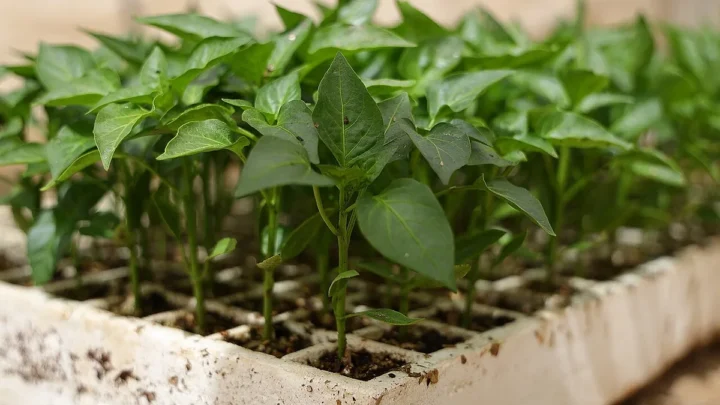
Image source: Wikimedia Commons / NPS
Start Here: Which Tomato Grower Are You?
Tomato advice fails when it ignores your situation. A gardener in Phoenix needs different plants and care than one in Seattle. So before we talk about planting depth or fertilizer, let's sort out your setup.
Space: Containers, Raised Beds, or In-Ground
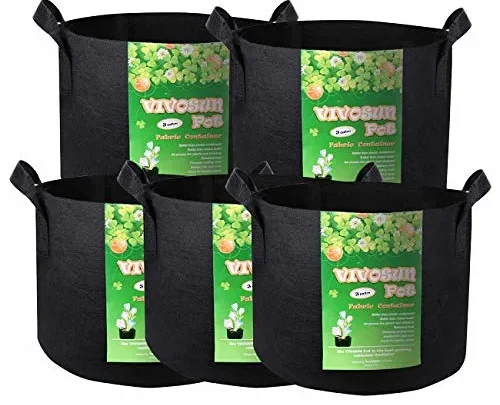
If you only have a balcony or patio, containers work. Use a 5-gallon pot at minimum. Bigger is better, since tomato roots spread fast.
Raised beds are a solid choice for yards with poor soil. They drain well, warm quickly in spring, and give you control over the mix you fill them with. In-ground gardens work fine if your native soil drains freely.
Dig down a foot and check: if water pools after heavy rain, stick with raised beds.
Season: Short, Hot, or Mild Climates
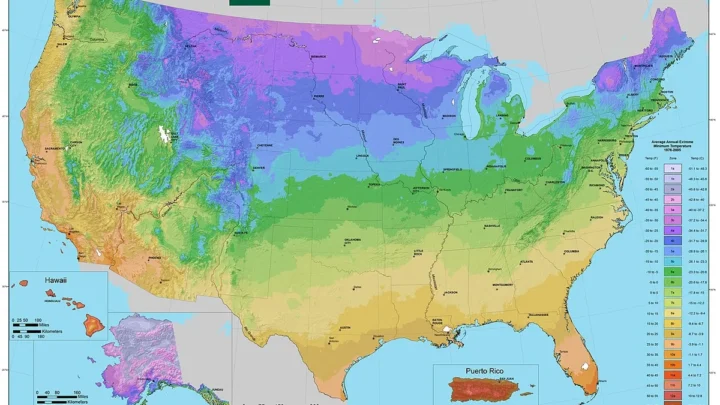
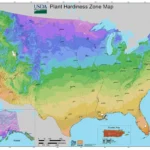
Your local frost dates set your entire timeline. Check the USDA hardiness zone for your area to estimate your last spring frost. If your season runs short, choose varieties that mature in 60 days or fewer.
Hot climates need heat-tolerant types that set fruit above 90°F. Mild coastal areas can often plant a second crop in late summer for a fall harvest.
Effort: Set-and-Forget vs. Hands-On Care
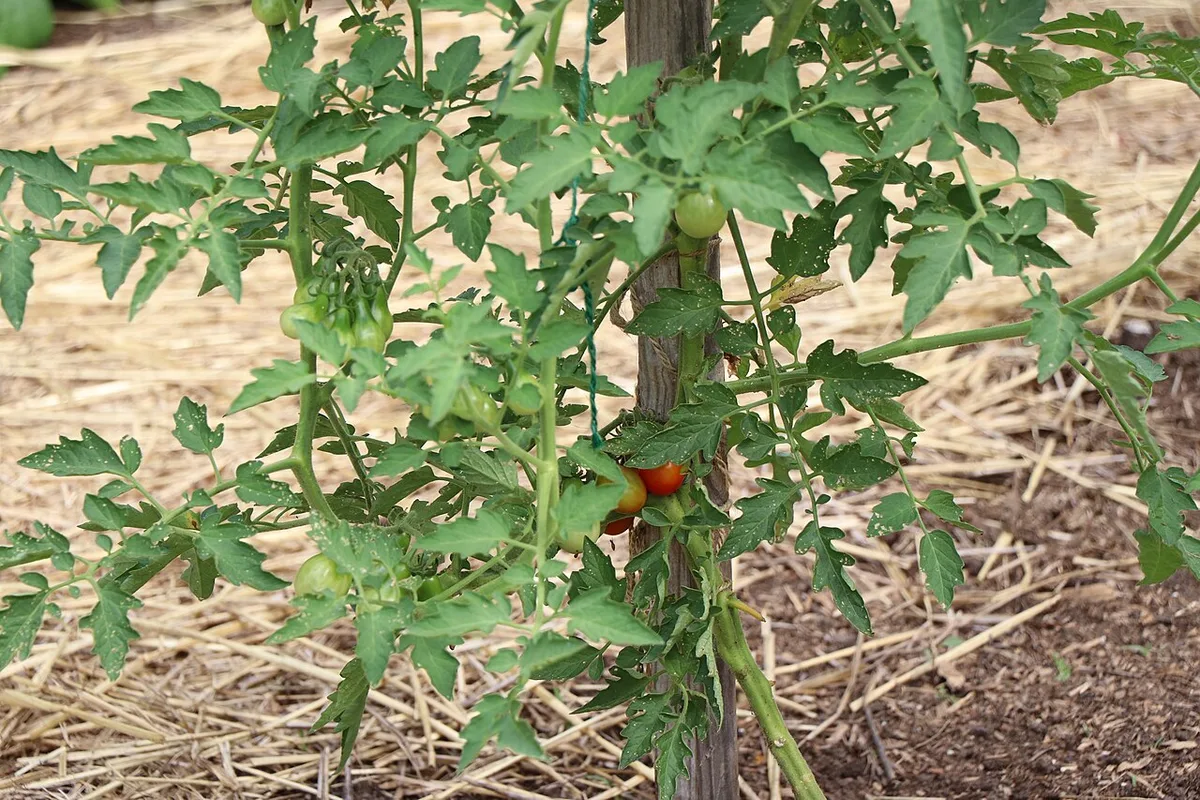
If you want low maintenance, grow determinate varieties in cages. They stay compact, ripen around the same time, and need minimal pruning. If you enjoy checking plants daily, indeterminate vines reward you with a longer harvest window, but they demand staking, sucker removal, and regular feeding.
Choose the Right Tomato Type for Your Situation
Determinate vs. Indeterminate Growth Habits
Determinate tomatoes stop growing at a set height, usually 3 to 4 feet, and push out fruit in one main flush. That makes them great for canning and for small gardens. Indeterminate varieties keep vining upward all season and produce until frost kills them.
They need tall supports, at least 6 feet, and regular attention.
Cherry, Beefsteak, or Roma: Matching Fruit to Use
Cherry tomatoes are quick, sweet, and forgiving. They're the best starting point for beginners. Beefsteaks are large and juicy, perfect for sandwiches, but they take the longest to ripen and need the most support.
Roma tomatoes are meaty with less water, so they're the top choice for sauces and canning.
Heirloom vs. Hybrid and Disease-Resistance Codes
Heirlooms win on flavor variety. As of 2026, most seed catalogs still list them proudly, but they often lack disease resistance. Hybrids are bred for vigor and resilience.
Look for the letter codes on tags: V for Verticillium wilt, F for Fusarium, N for nematodes. A tag reading "VFNT" offers broad protection. If you're a first-timer, hybrids give a bigger safety margin.
Step-by-Step Planting Workflow
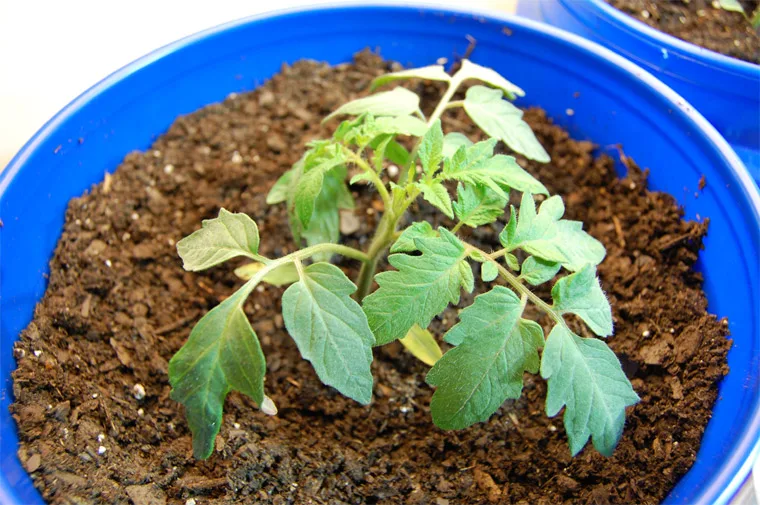
Image source: Wikimedia Commons / Dennis Brown (CC BY-SA)
Starting Seeds Indoors vs. Buying Transplants
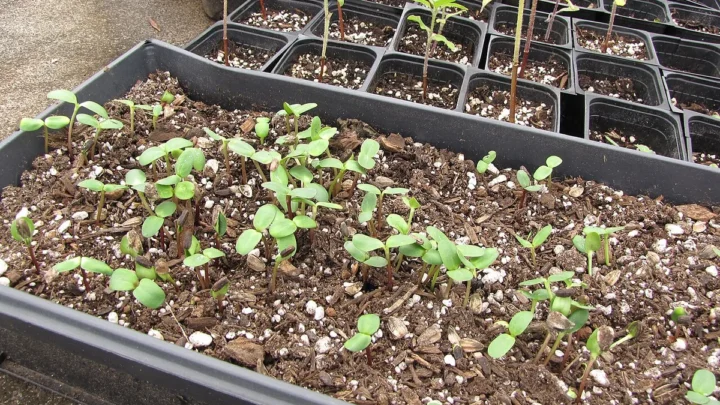
Seeds give you more variety and lower cost, but they need a head start. Start them indoors 6 to 8 weeks before your last frost date. Transplants are easier for beginners.
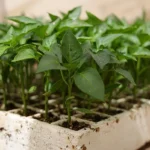
Look for short, stocky seedlings with deep green leaves. Skip tall, pale, leggy ones. Check with your local university extension service for the best timing in your region.
Hardening Off and Planting Deep
Plants raised indoors can't handle direct sun and wind overnight. Harden them off over 7 to 10 days. Set them outside for a few hours each day, gradually increasing exposure.
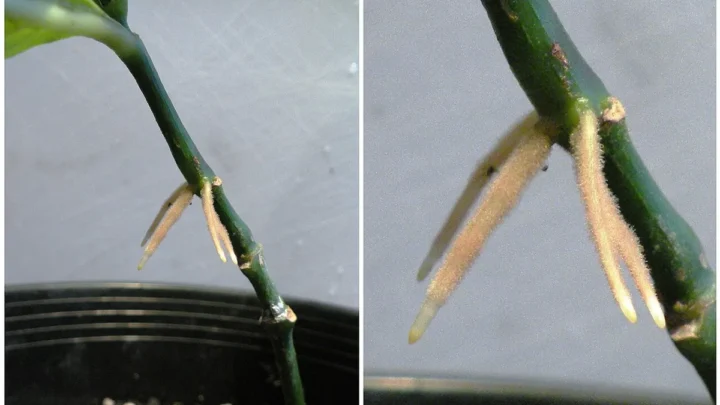
When planting, bury the stem deep, up to the first set of true leaves. Tomatoes form roots along buried stems, which creates a stronger plant.
Setting Up Stakes and Cages Early
Install supports at planting time, not two months later. Anchoring a stake afterward damages roots. For determinate varieties, a 4 to 5 foot cage is plenty.
For indeterminate vines, use a 6 to 8 foot stake or a string trellis. Space plants 24 to 36 inches apart, depending on the variety. Then follow this simple planting sequence:
- Dig a hole about 12 inches deep.
- Pinch off the lower leaves.
- Set the plant deep, with only the top leaves above ground.
- Backfill and firm the soil gently.
- Water thoroughly.
The Watering and Feeding Routine That Prevents Problems
First Two Weeks: Root Establishment
Your main job right after planting is keeping the rootball evenly moist. Water every day for the first week if rain isn't doing it for you. Then taper off.
Inconsistent moisture now sets the stage for blossom end rot later.
Mid-Season: Deep Watering and Mulching
Once the plant is established, aim for 1 to 1.5 inches of water per week. Deep, less frequent watering beats a light sprinkle every day. That encourages roots to grow deeper.
Mulch with 2 to 3 inches of straw or shredded leaves. Mulch holds moisture, keeps soil temps steady, and blocks weed competition. Drip lines or soaker hoses deliver water right to the roots without wetting the leaves.
Fertilizer Timing: When to Push and When to Stop
Mix compost or a balanced fertilizer like 5-5-5 into the soil at planting. Then wait until the first fruits have set before side-dressing. Use a low-nitrogen fertilizer at that point, like 5-10-10.
Too much nitrogen gives you giant green vines and sparse fruit. Stop feeding once the plant is full size. Extra fertilizer late in the season just builds foliage, which ripens too slowly in cool weather.
Diagnose and Fix Common Tomato Problems
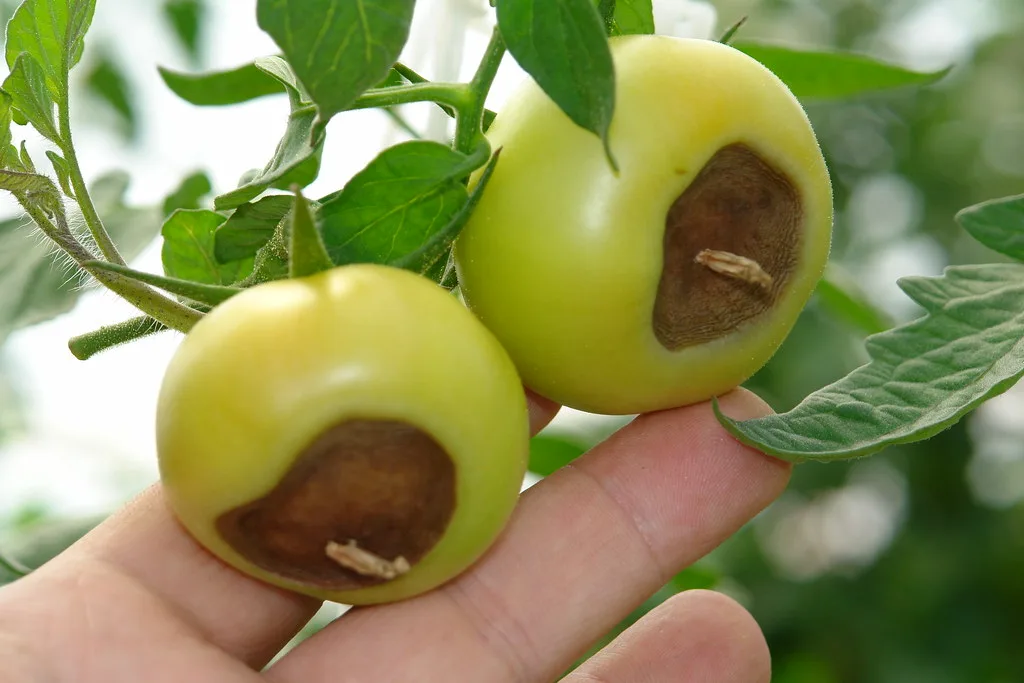
Image source: Wikimedia Commons / Fructibus
Blossom End Rot, Cracking, and Sunscald
Blossom end rot shows up as a dark, leathery spot on the bottom of the fruit. It's not a disease. It's a calcium uptake problem, usually caused by uneven moisture.
Keep watering steady and the next fruits usually come out fine. Cracking happens when heavy rain hits after dry weather. Harvest slightly early if a storm is coming.
Sunscald leaves pale, papery patches on exposed fruit. Don't strip too many leaves.
Yellow Leaves, Wilting, and Fungal Spots
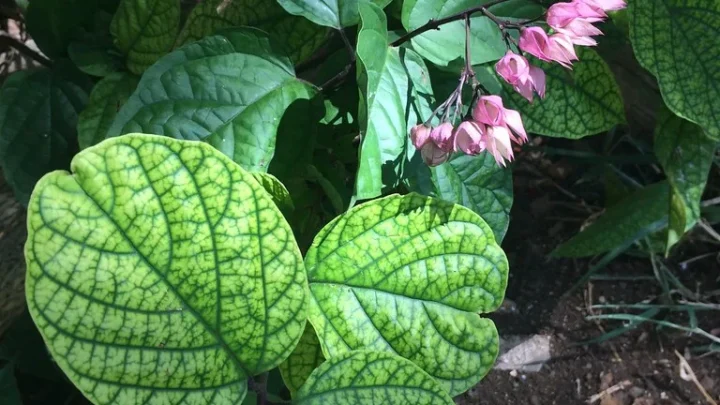
Yellow leaves at the base often mean overwatering or a nitrogen shortage. Check your soil moisture before adding anything. Wilting during the heat of the day is normal; still wilted at dawn is not.
Fusarium wilt causes one-sided yellowing and stunted growth. Certified resistant varieties avoid that headache entirely.
Pests: Hornworms, Aphids, and Whiteflies
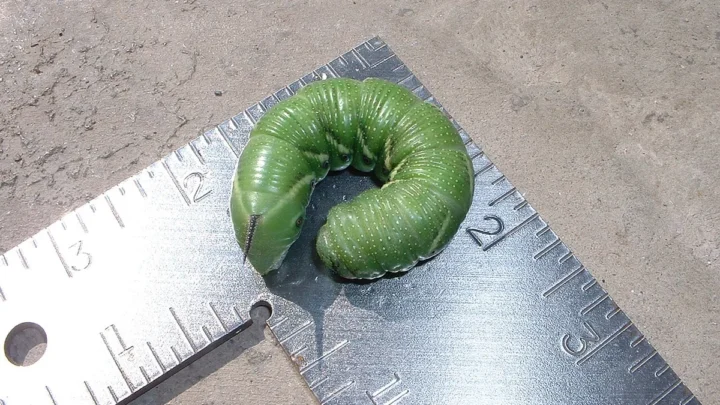
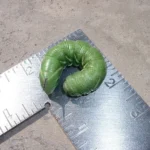
Tomato hornworms are huge green caterpillars that can strip a plant fast. Handpick them in the evening when they're visible. Aphids cluster on new growth and buds.
Knock them off with a strong spray of water or use insecticidal soap. Whiteflies scatter like tiny ghosts when you touch leaves. Yellow sticky traps catch adults, and neem oil handles the nymphs.
Harvesting, Ripening, and Winding Down the Season
Picking at Peak Flavor
Ripe tomatoes feel firm but give slightly under light pressure. The fruit shows full, deep color for its variety, whether that's red, orange, or yellow. Twist gently or snip the stem to avoid bruising the plant.
Check vines every two or three days once fruit starts coloring.
Avoid stacking ripe tomatoes. Store them stem-side down at room temperature, never in the fridge. Cold air kills the flavor compounds that make homegrown fruit special.
Eat the ripest ones first, or process extras into sauce for freezing.
Ripening Green Tomatoes Indoors
When frost threatens, harvest all mature green fruits. They'll ripen indoors at room temperature, usually within one to two weeks. Place them in a paper bag with a ripe banana.
The banana releases ethylene gas, which naturally speeds up ripening. Keep them out of direct sunlight.
Topping Plants and Pre-Frost Harvesting
About 30 days before your first expected frost, pinch out the growing tip of each stem. This stops new growth and pushes energy into ripening existing fruit. Determinante tomatoes stop on their own, so this trick mainly helps indeterminate vines.
Pick every mature green tomato before a cold snap. Frost damages cell walls, which turns the fruit soft and mealy.
Quick Mistakes That Cost You Tomatoes
Overcrowding and Weak Supports
Tomatoes need room to breathe. Cramped plants compete for sunlight and nutrients, which slows growth and invites disease. Install supports at planting time, not later when roots are established.
Space determinate types 24 inches apart. Indeterminate vines need 36 inches or more. Strong supports also reduce wind damage and keep fruit off the soil, where pests hide.
Inconsistent Watering
Irregular moisture causes the most fruit defects. Blossom end rot follows a dry spell, while cracking happens after heavy rain soaks dry soil. Water deeply once or twice a week so moisture reaches the roots.
Check soil moisture by pushing a finger 2 inches down. If it feels dry, water. If it's damp, wait.
Mulch around plants to slow evaporation and keep soil moisture steady.
Pruning at the Wrong Time
Pruning wet leaves spreads fungal spores quickly. Use sharp, clean pruners and work only when foliage is dry. Remove suckers while they're small, under 3 inches, to minimize stress.
Over-pruning is just as bad. Too many removed leaves exposes fruit to sunscald and cuts photosynthesis, which feeds the plant.
Frequently Asked Questions
How often should I water tomato plants?
Water deeply once or twice a week, depending on heat and soil type. Give each plant about 1 to 1.5 inches of water per week. Container plants may need daily watering in summer.
Consistent moisture beats frequent shallow watering.
Why do my tomato flowers fall off without setting fruit?
Blossom drop usually means stress. High heat over 90°F, low nighttime temperatures, or overcrowding all cause it. Water consistently, provide shade during extreme heat, and tap or shake flowers gently to aid pollination.
Fruit set improves as conditions stabilize.
Can I grow tomatoes in a 5-gallon bucket?
Yes, with a few caveats. Drill drainage holes and use quality potting mix. Smaller plants like cherry or determinate types do best.
You'll need to water more often, sometimes daily, and fertilize every couple of weeks. Ten-gallon containers work even better.
When should I plant tomatoes outside?
Wait until the last frost date passes and soil temperatures stay above 60°F. Cold soil stunts roots and shocks transplants. In most zones, that falls one to two weeks after the last frost.
Check your local extension service for exact dates.
Why are my tomatoes cracking on top?
Cracking happens when fruit absorbs water too fast after a dry spell. Heavy rain or overwatering right after soil dried out causes it. Mulch to keep moisture even and pick fruit slightly early during rainy periods.
Cracks are cosmetic, but they invite pests.

Similar Posts