How to Plant Tomatoes
Every successful tomato plant starts with three upfront decisions. Get these right and the rest is straightforward. Get one wrong and you'll spend the season compensating.
The good news is that each decision has a clear answer if you're honest about your space and goal.
Decision 1: Pick Your Variety Type
Read the seed packet or nursery tag before you buy. Determinate varieties grow to a fixed height, stop, and ripen their fruit over a few weeks. Indeterminate types vine constantly and produce until frost.
Semi-determinate hybrids sit somewhere in the middle.
If you want one big batch for canning or sauce, choose determinate. If you want steady salads and sandwiches all season, go indeterminate. If you're torn, pick indeterminate for the longest overall yield.
That single choice shapes how you'll stake, prune, and harvest, so get it right upfront.
Decision 2: Choose Your Planting Spot
This one depends on your space and soil. If you have in-ground beds with loose, well-draining soil, plant directly in the ground. If your soil is heavy clay, rocky, or near old structures that might have contaminated the ground, use a raised bed or container.
If you only have a patio, go with a container.
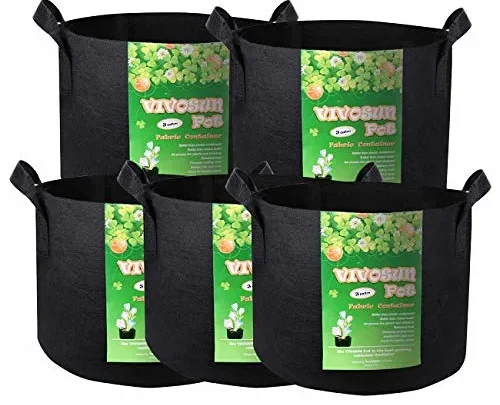
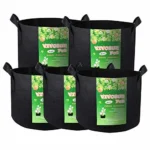
When container planting, match the pot to the plant. Use at least 5 gallons for determinate varieties and 15 gallons for vining indeterminate types. Smaller pots dry out fast and stunt root growth.
Decision 3: Lock In Your Planting Date
Wait until after your last average frost date, then check soil temperature at a 4-inch depth. If it reads below 60°F, hold off. Cold soil triggers transplant shock and stunts growth for weeks.
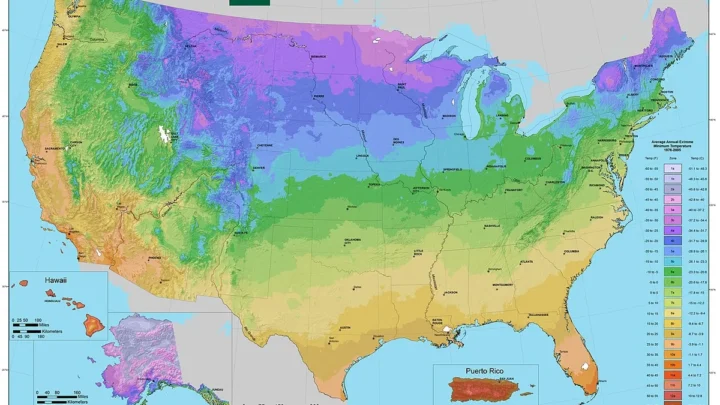
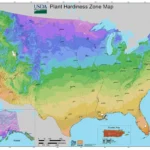
Northern zones usually hit that window from mid-May to early June. Southern zones are often ready by late March or April. Confirm your USDA hardiness zone before buying seeds, and match variety days-to-maturity to your season length.
A 90-day tomato won't ripen in a 75-day season, no matter how well you plant it.
The Quick Decision Guide: Ground, Raised Bed, or Container?
Here's where the decision tree gets concrete. Match your situation to a location, then commit to it. The table below shows the main trade-offs.
| Location | Best For | Key Considerations |
|---|---|---|
| In-ground | Large gardens, low startup cost | Needs loose, well-draining soil and a pH between 6.0 and 6.8 |
| Raised bed | Poor or contaminated soil, better spring warmth | Higher upfront cost, plus yearly compost top-ups |
| Container | Patios, balconies, small spaces | Requires drainage holes and much more frequent watering |
Image source: Wikimedia Commons / Wilfredor
If you have heavy clay, a raised bed beats amending the whole yard. If you're renting, containers travel with you. If you already have a solid in-ground bed, use it and save the setup effort.
Raised beds warm up faster in spring, which matters for short seasons. They also drain better than most in-ground sites. The catch is keeping them topped up with compost each year.
Containers, meanwhile, demand the most attention because they dry out quicker.
For most home gardeners, the best choice comes down to water. Containers need daily checks in summer. Ground plants can stretch a day or two between drinks.
Raised beds sit somewhere in between. Pick the option that fits your schedule, not just your space.
Step-by-Step: How to Plant Tomatoes the Right Way (Depth & Spacing Included)
This part matters more than anything else. Follow these seven steps and your transplants will establish fast. Skip one and you'll see the consequences weeks later.
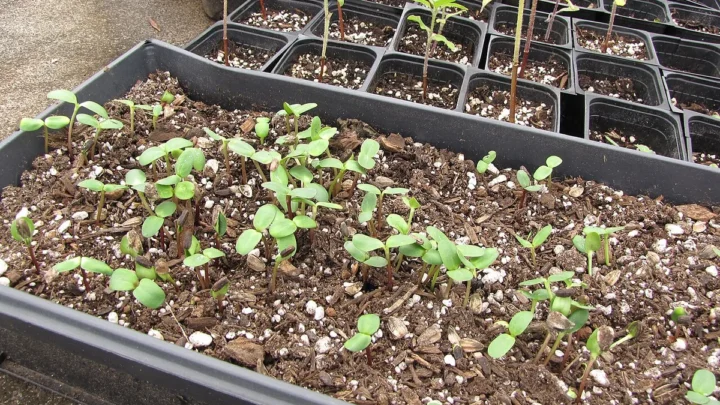
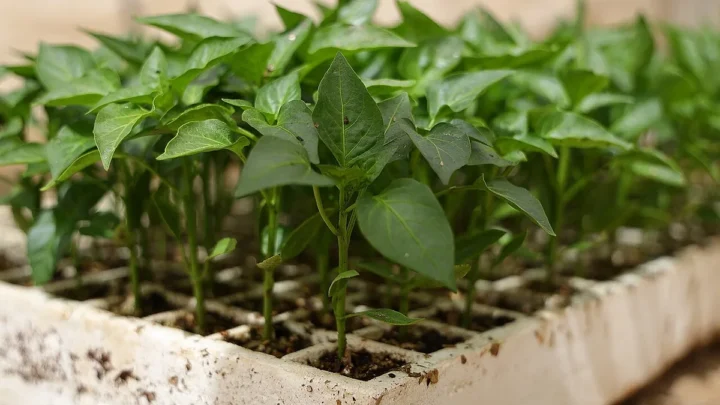
1. Harden off your seedlings first. Seven to ten days before planting, set them outside for a few hours each day. Start in shade, then slowly add sun and wind exposure.
This prevents the shock that turns leaves white and stops growth.
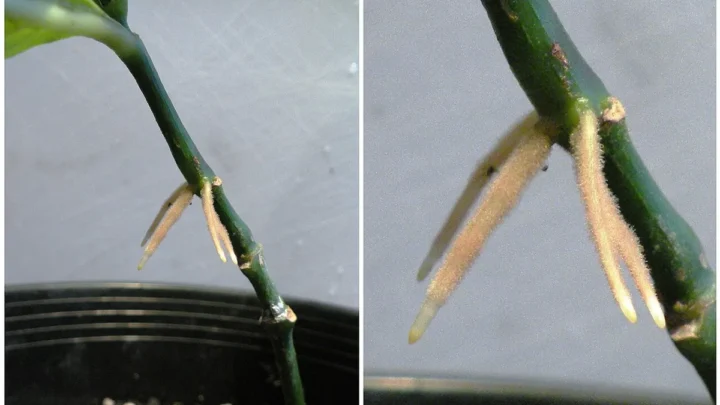
2. Dig a deep hole. The hole should be deep enough to bury two-thirds of the stem. Tomatoes sprout roots along any buried stem portion, and that extra root mass powers a bigger harvest.
Deeper always beats wider here.
3. Remove the lower leaves. Strip everything except the top two or three leaf sets before the seedling goes in the ground. Those buried leaves would rot underground and invite disease.
4. Plant leggy seedlings sideways. If your seedling got tall and thin indoors, use the trench method. Dig a horizontal trough about 3 inches deep, lay the stem in it, and cover it with soil.
Only the top leaves stay above ground.
5. Backfill and water deeply. Firm the soil around the stem gently, then water thoroughly to settle it. This removes air pockets around the roots and gives the plant immediate contact with moist soil.
6. Space by growth type. Determinate varieties need 18 to 24 inches between plants. Indeterminate types need 24 to 36 inches.
Rows should sit at least 3 feet apart for airflow and disease prevention.
7. Support at planting time. Push stakes or set cages before or right after transplanting. Waiting even two weeks means slicing through roots that are already established, which slows the vine and opens the door to infection.
Right After Planting: Staking, Mulching, and First-Week Care
The first seven days decide how fast your tomato recovers. Do these things during that window and you'll set the plant up for strong growth.
Stake or cage now, not later. Install a 5-foot stake for most indeterminates. Cages work better for bushy determinate types because they give lateral support without heavy pruning. A trellis is a great option for vining varieties in tight rows.
Whatever you choose, set it up while the root ball is still small and undamaged.
Mulch to lock in moisture. Spread 1 to 2 inches of straw, shredded leaves, or grass clippings around the base. Keep the mulch a couple of inches away from the stem itself. Close contact traps moisture against the stem and invites rot.
Water deeply but consistently. At planting, soak the root zone well. Then keep the soil evenly moist for the first week. Push your finger down 2 inches.
If it feels dry at that depth, water again. Containers may need a check every day. In-ground plants usually need water every two to three days.
Watch for transplant shock. Yellowing lower leaves and drooping are normal for the first couple of days. If the plant still looks sad after a week, check the stem at soil level for cutworms. A simple cardboard collar pushed an inch into the soil stops them before they chew through your transplant.
Hold off on fertilizer. Fresh compost or a balanced fertilizer mixed into the planting hole gives the plant what it needs early on. Adding more right after planting can burn those tender new roots.
7 Tomato Planting Mistakes That Will Haunt Your Harvest
Here's the frustrating part about tomato planting. The mistakes don't show up in June. They show up in August as disease, low yields, or split fruit.
Skip these seven and you'll be miles ahead of the average home garden.
1. Planting too early. Cold soil halts root growth and stresses the plant. Wait until the soil hits 60°F at a 4-inch depth.
Your patience will pay off in faster early-season growth.
2. Planting too shallow. A shallow hole means a small root system. Bury two-thirds of the stem to encourage roots along the buried portion.
That deep start powers drought tolerance and bigger yields.
3. Overcrowding. Tight spacing blocks airflow and spreads fungal diseases like early blight. Follow the spacing numbers on your tag.
Indeterminate varieties especially need room to breathe.
4. Skipping hardening off. Soft indoor leaves burn fast in direct sun. Ease seedlings outside for 7 to 10 days first, starting with a few hours of shade.
Plants die from sunburn more often than people want to admit.
5. Mulching against the stem. Piling mulch right up against the main stem traps moisture and causes stem rot. Leave a 2-inch gap between the mulch and the base of the plant.
6. Staking too late. Driving a stake near established roots slices through them and stunts the plant. Support goes in at planting time, not three weeks later.
7. Inconsistent watering. Letting the soil swing from bone dry to soaked causes blossom end rot and cracked fruit. Water deeply and on a regular schedule.
A drip line makes this much easier.
The Bottom Line: A Simple Planting Decision Guide for This Season
If you remember one thing from this whole guide, make it this. Start with location, then match the variety, then plant deep. Everything else is fine-tuning.
Step 1: Where will you plant?
If you have loose, well-draining soil that isn't contaminated, go in-ground. If your soil is heavy clay or near old structures, build a raised bed and top it with compost. If all you have is a patio, use a container with at least 5 gallons of volume and drainage holes.
Pots dry out faster, so plan to water them more often.
Step 2: What variety fits your goal?
Choose a determinate type for one large harvest, perfect for canning or sauce. Choose an indeterminate type for continuous fruit through the season. Match the days to maturity printed on the tag to your local growing season.
A 90-day vine is a poor pick for a 75-day summer.
Step 3: When is the ground ready?
Wait for your last average frost date, then test the soil at a 4-inch depth. Hold off until it reads at least 60°F. Tempting as early planting sounds, cold soil stalls roots and invites rot.
In short fall seasons, plant as soon as the soil warms to avoid losing ripe fruit to frost.
Step 4: How you plant it.
Dig a hole deep enough to hide two-thirds of the stem. Strip the lower leaves, set the rootball in, and firm the soil gently. Water deeply, stake right away, and mulch 1 to 2 inches back from the stem.
That formula works in any climate, from humid coasts to dry desert valleys.
That's the whole process in four steps. Run through them in order and most problems never show up.
Frequently Asked Questions About Planting Tomatoes
How deep do I plant tomatoes?
Bury two-thirds of the stem, down to the first set of true leaves. The buried portion grows roots, which builds a stronger plant. Go 2 to 4 inches deeper than the rootball.
Depth matters more than any other planting choice, so err on the deeper side.
When is the best time to plant tomatoes?
After your last average frost date, when the soil reaches 60°F at a 4-inch depth. In most zones, that means late April through early June. Planting in cold soil causes transplant shock and slow growth.
Check your local USDA hardiness zone for exact dates.
Can I plant tomatoes in containers?
Yes. Use at least 5 gallons for determinate varieties and 15 gallons for indeterminate types. Make sure the pot has drainage holes and quality potting mix.
Containers dry out quickly, so expect to check soil moisture daily during warm weather.
How much space do tomato plants need?
Determinate types need 18 to 24 inches between plants. Indeterminate types need 24 to 36 inches. Keep rows at least 3 feet apart.
Tight spacing restricts airflow and spreads fungal disease, so give them the room they need.
Should I remove the lower leaves when planting?
Yes, strip the leaves from the bottom two-thirds of the stem. Those buried leaves rot underground and invite disease. Keep the top leaf set above the soil line.
This simple step prevents many common soil-borne issues.

Similar Posts